

How to Build a Strong Portfolio While Learning Digital Marketing
Building a strongHow to Build a Strong Portfolio While Learning Digital Marketing portfolio is one of the most important steps for anyone starting a career in digital marketing. Even if you are still learning, your portfolio can show your skills, creativity, and understanding of marketing strategies. A well-designed portfolio helps you stand out from other beginners and increases your chances of getting internships, freelance projects, or full-time jobs.
Here’s a complete guide on how to build an impressive digital marketing portfolio while you are still learning.
1. Start With the Basics: Showcase Your Core Skills
Begin by listing the digital marketing skills you are learning or have already mastered. These may include:
- Social Media Marketing
- SEO (Search Engine Optimization)
- Content Writing
- Google Ads
- Email Marketing
- Analytics & Reporting
- Website Management (WordPress)
Even basic skills can make your portfolio look professional.
2. Create Sample Projects
You don’t need real clients to build a portfolio. Create sample or practice projects that demonstrate your abilities.
Examples of Sample Projects:
- A social media strategy for a hypothetical brand
- A blog post optimized with SEO keywords
- A sample landing page design
- Google Ads mock campaigns (with targeting and budget plans)
- A content calendar for a month
- Keyword research report for any industry
These practice tasks show that you understand how digital marketing works in the real world.
3. Work on Real-Time Assignments During the Course
Most digital marketing courses include hands-on activities such as creating ads, writing blogs, or managing social media pages.
Make sure to save all your completed assignments — these can be added to your portfolio as real examples of your work.
4. Start Your Own Social Media Page or Blog
A powerful way to show your skills is to run something of your own.
Options include:
- A digital marketing Instagram page
- A niche-based blog
- A YouTube channel sharing marketing tips
- A Facebook page for educational content
This shows employers your ability to manage content, engagement, branding, and growth — all major parts of digital marketing.
5. Volunteer for Small Businesses or Local Brands
Offer free or low-cost services to small shops, freelancers, or start-ups in your area.
In return, you will get real-world work samples, such as:
- Social media posts you designed
- Ads you ran
- Website content you optimized
- Growth reports
This real experience makes your portfolio more credible.
6. Use Free Digital Marketing Tools
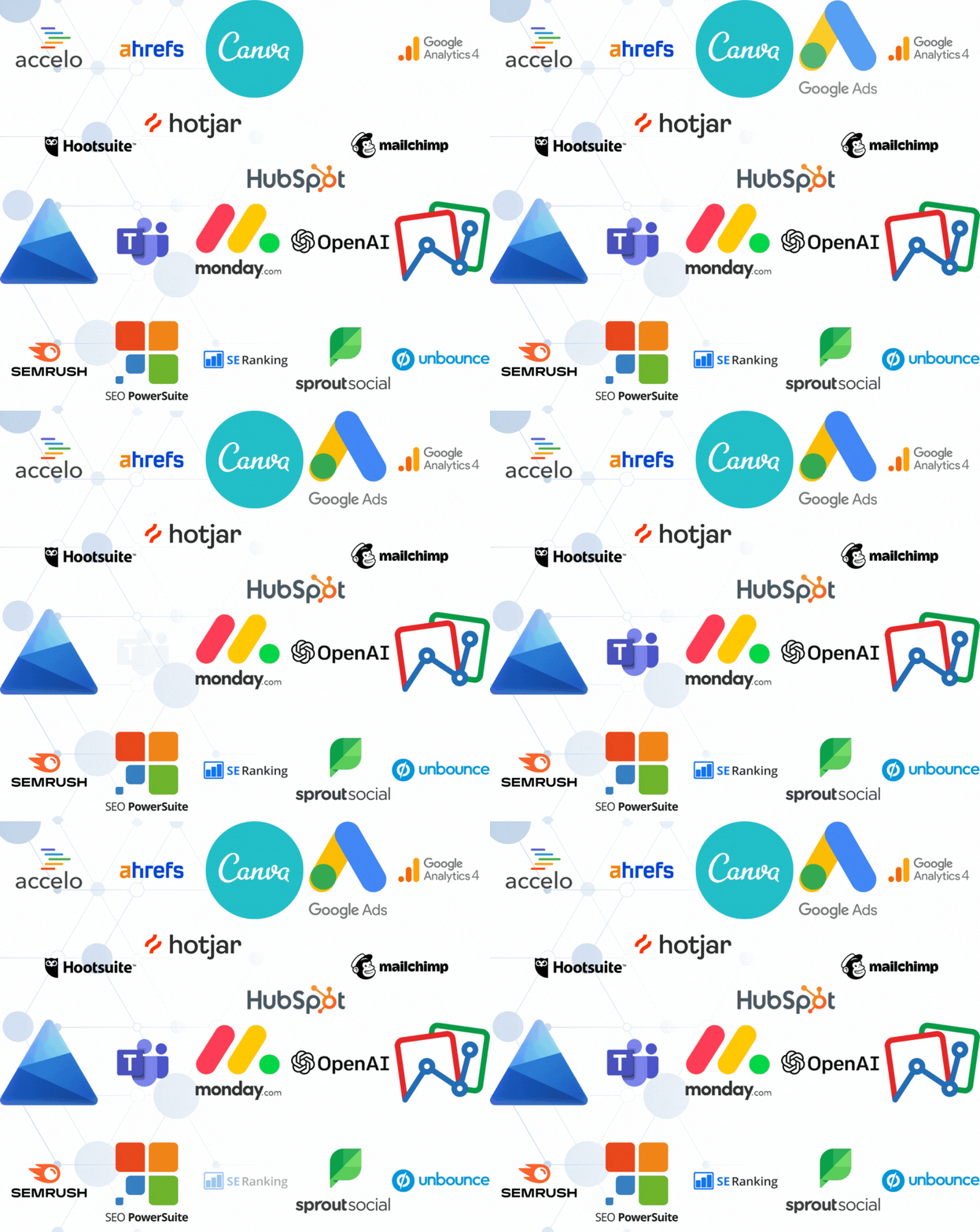
Include reports from free tools in your portfolio to showcase your technical ability.
Tools you can use:
- Google Analytics
- Google Search Console
- Canva
- SEMrush (free version)
- Ubersuggest
- Mailchimp
- Google Keyword Planner
Adding screenshots or reports from these tools makes your portfolio more professional.
7. Create Case Studies
Case studies are the strongest part of any portfolio.
A good case study includes:
- The problem (low engagement, low traffic, etc.)
- Your strategy
- Actions you took
- Results (even small improvements count!)
Case studies help clients and employers understand your thinking process and problem-solving skills.
8. Organize Your Portfolio Neatly
Your portfolio should be easy to navigate and visually clean. Create sections like:
- About You
- Skills
- Sample Projects
- Case Studies
- Certifications
- Contact Information
Use a simple platform like Canva, Google Sites, Behance, WordPress, or a PDF format.
9. Add Your Certifications
Include certificates from:
- HubSpot
- Meta
- Your digital marketing academy
These add credibility and show commitment to learning.
10. Keep Updating Your Portfolio
Digital marketing evolves quickly — and so should your portfolio.
Every time you complete a new project or learn a new skill, add it to your portfolio.